Why Stress Is Aging You Faster — And What I Changed at 40
You know that tired feeling after a long week — not just physical exhaustion, but a deep mental drain? I started noticing mine came with more fine lines, dull skin, and low energy. That’s when I learned: chronic stress isn’t just overwhelming — it’s accelerating aging. Cortisol breaks down collagen, disrupts sleep, and weakens immunity. The good news? Simple daily shifts can reset your body. This is what worked for me as a beginner, no extreme changes — just real, sustainable steps to feel younger from the inside out.
The Hidden Link Between Stress and Aging
Biological aging is not just about the number of years you've lived — it's about how well your cells have held up over time. While time moves forward inevitably, science now shows that stress can make your body age faster than the calendar suggests. This isn’t just about feeling tired or getting a few gray hairs. Chronic stress triggers biological changes that mimic and accelerate the aging process at a cellular level. The body responds to long-term stress as if it’s under constant threat, activating survival mechanisms that, over time, wear down vital systems.
One of the most significant discoveries in this field involves telomeres — the protective caps at the ends of your chromosomes. Think of them like the plastic tips on shoelaces that keep them from fraying. Each time a cell divides, telomeres shorten. When they become too short, the cell can no longer divide and becomes inactive or dies. Shortened telomeres are linked to aging, cancer, and increased risk of chronic disease. Nobel Prize-winning research by Dr. Elizabeth Blackburn and Dr. Elissa Epel found that women under prolonged psychological stress had significantly shorter telomeres — equivalent to at least one decade of additional aging compared to those with lower stress levels.
The hormone cortisol plays a central role in this process. When stress becomes chronic, cortisol remains elevated, disrupting nearly every system in the body. It impairs glucose regulation, suppresses immune function, and increases fat storage — particularly around the abdomen. Elevated cortisol also reduces collagen production, leading to thinner, less elastic skin. At the same time, oxidative stress — an imbalance between free radicals and antioxidants — increases under emotional strain, damaging cells and contributing to premature aging. These changes happen silently, often unnoticed until visible signs like wrinkles, fatigue, or frequent illness appear.
What makes this process especially concerning is that it’s cumulative. The body doesn’t reset after a single stressful week; the effects build up over months and years. Unlike acute stress, which can be motivating and even beneficial in short bursts, chronic stress lacks recovery periods. Over time, the wear and tear on the body becomes measurable. The good news is that these biological changes are not necessarily permanent. Research shows that reducing stress can slow telomere shortening and even support telomere maintenance through lifestyle changes. This means aging isn’t just a one-way street — how you manage stress today can influence how you age tomorrow.
My Breaking Point: How Stress Showed Up in My Body
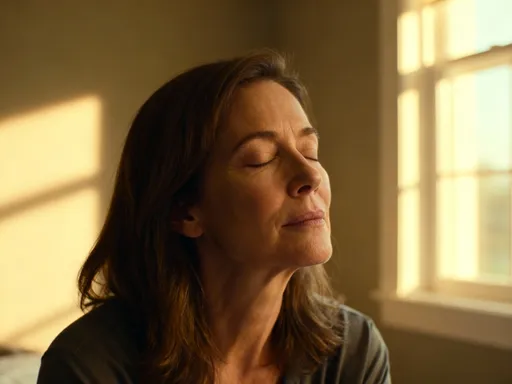
For years, I told myself I was just getting older. I blamed my fading energy on turning 40, my dry skin on seasonal changes, and my forgetfulness on a busy schedule. But the truth was, I was under constant pressure — managing a growing household, caring for aging parents, and trying to keep up with work deadlines. I didn’t see it as stress; I saw it as responsibility. It wasn’t until I looked in the mirror one morning and barely recognized myself that I realized something deeper was happening. My face looked tired, my eyes were dull, and I felt ten years older than I had just a few years before.
The symptoms were more than skin deep. I struggled to fall asleep, even when exhausted. When I did sleep, it was restless — I’d wake up multiple times, my mind racing with unresolved tasks. Mornings were the hardest. Instead of feeling refreshed, I dragged myself out of bed, relying on coffee just to function. By midday, I’d hit a wall — brain fog set in, making it hard to focus or remember simple things. I’d forget appointments, misplace keys, and feel overwhelmed by decisions that used to feel routine. My skin had lost its glow, and fine lines around my eyes and mouth deepened despite using expensive creams.
What finally shook me was a visit to my doctor for routine blood work. Everything came back within normal range, but she noticed my fatigue and asked detailed questions about my sleep, diet, and emotional well-being. When I described my constant state of being “on,” she gently suggested that my symptoms weren’t just signs of aging — they were signs of burnout. That word hit me like a wake-up call. I wasn’t failing at adulting; my body was signaling that it couldn’t keep up with the demands I was placing on it. I had normalized stress so completely that I hadn’t recognized its toll.
That moment changed everything. I realized that aging gracefully didn’t mean accepting decline as inevitable. It meant paying attention to the signals my body was sending and responding with care. I began to see my fatigue, poor sleep, and mental fog not as personal shortcomings, but as biological responses to prolonged stress. This shift in perspective was powerful. Instead of feeling defeated, I felt empowered. If stress had contributed to how I felt, then managing it could help me feel better — not just emotionally, but physically. The journey wasn’t about reversing time, but about creating space for my body to heal and restore balance.
Why Quick Fixes Don’t Work (And What Does)
When I first decided to make a change, I looked for fast solutions. I tried a 10-day detox, bought serums promising to erase wrinkles, and even considered a high-intensity workout program. But within weeks, I was exhausted again. The truth is, most quick fixes are built on the idea that aging can be fought with extreme measures — strict diets, expensive treatments, or punishing exercise routines. While some of these may offer temporary results, they often ignore the root cause: chronic stress. Without addressing that, any improvement is likely to be short-lived.
Take crash diets, for example. Restricting calories or eliminating entire food groups might lead to quick weight loss, but it also increases cortisol levels. The body interprets severe calorie restriction as a threat, triggering a stress response that slows metabolism and promotes fat storage. The same goes for over-exercising. While regular movement is essential, pushing too hard without recovery can elevate cortisol and increase inflammation, counteracting the very benefits you’re seeking. Even high-end skincare products, while helpful for surface hydration, can’t repair the internal damage caused by ongoing stress.
What does work is a different approach — one focused on consistency, balance, and internal health. Anti-aging isn’t about perfection; it’s about resilience. The body thrives on routine, not extremes. Small, repeatable habits that reduce stress and support overall well-being are far more effective than short-term intensities. For instance, drinking enough water, eating balanced meals, and getting regular, moderate movement may seem simple, but their cumulative effect is powerful. These habits signal safety to the body, helping to lower cortisol and support cellular repair.
The key is sustainability. Lasting change comes not from dramatic overhauls, but from daily choices that you can maintain for years. Instead of aiming for a perfect morning routine or a flawless diet, focus on progress, not perfection. Did you take five deep breaths when you felt overwhelmed? Did you go for a short walk instead of scrolling on your phone? These moments matter. Over time, they build a foundation of resilience that protects your body from the aging effects of stress. The goal isn’t to eliminate stress entirely — that’s impossible — but to build your capacity to recover from it.
Breathing Is My Secret Weapon (And It’s Free)
One of the most powerful tools I discovered requires no equipment, no cost, and just a few minutes a day. It’s something we do constantly without thinking — breathing. But the way we breathe can either activate stress or calm it. When stressed, most people shift to shallow, rapid chest breathing, which signals danger to the brain and keeps cortisol elevated. In contrast, slow, deep diaphragmatic breathing activates the parasympathetic nervous system — the body’s natural relaxation response. This simple shift can lower heart rate, reduce blood pressure, and decrease cortisol levels within minutes.
The method I use is called the 4-7-8 technique, developed by Dr. Andrew Weil. It’s easy to learn and can be done anywhere. Here’s how: inhale quietly through your nose for a count of four, hold your breath for seven counts, then exhale slowly and completely through your mouth for eight counts. That’s one breath cycle. Repeat this for four rounds, twice a day — once in the morning and once before bed. At first, it may feel awkward, but with practice, it becomes a grounding ritual. I started doing it while sitting on the edge of my bed in the morning, before checking my phone. Within a week, I noticed a difference in my energy and mood.
The benefits extended beyond stress reduction. I began sleeping more soundly, waking up less during the night. My tension headaches, which used to flare up weekly, became rare. I also found myself more patient during stressful moments — instead of reacting immediately, I’d pause and breathe. This didn’t make challenges disappear, but it gave me space to respond thoughtfully. Science supports this: studies show that controlled breathing practices can improve vagal tone, which regulates heart rate and digestion, and enhance emotional regulation.
What I appreciate most is that this practice is accessible to everyone. You don’t need special training or a quiet room — though a few moments of privacy help. Even during a hectic day, I’ll step into a bathroom stall or sit in my car for a minute to reset. It’s not magic; it’s physiology. By changing your breath, you change your nervous system’s state. Over time, this builds a buffer against stress, reducing its wear on your body and mind. For anyone feeling overwhelmed, I recommend starting with just one round of 4-7-8 breathing today. It’s a small act that can lead to profound change.
Moving Without the Gym: Gentle Motion That Recharges You
For years, I associated exercise with punishment — long runs, heavy weights, or intense classes that left me sore and drained. I believed that if I wasn’t sweating and struggling, I wasn’t doing enough. But as I learned more about stress and aging, I realized that intense workouts weren’t helping — they were adding to my body’s burden. What I needed wasn’t more strain, but recovery. That’s when I discovered the power of gentle movement. Activities like walking, stretching, and mindful motion don’t just burn calories — they reduce inflammation, improve circulation, and signal safety to the nervous system.
Walking, in particular, became a game-changer. I started with just ten minutes a day after dinner. No speed goals, no tracking steps — just moving my body in nature. Within weeks, I noticed improvements in my digestion, sleep, and mood. Research confirms that regular walking lowers cortisol, boosts endorphins, and enhances cognitive function. It also supports lymphatic flow, helping the body clear toxins and reduce chronic inflammation — a key driver of aging. Unlike high-intensity workouts, walking is sustainable at any age and fitness level, making it ideal for long-term health.
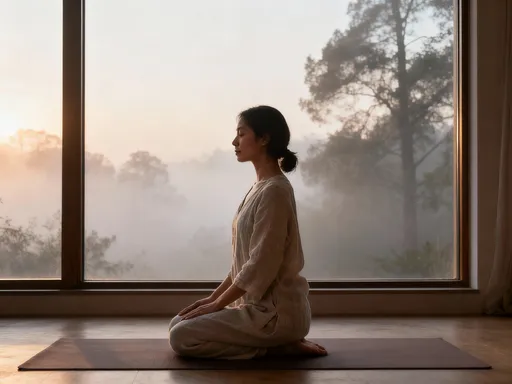
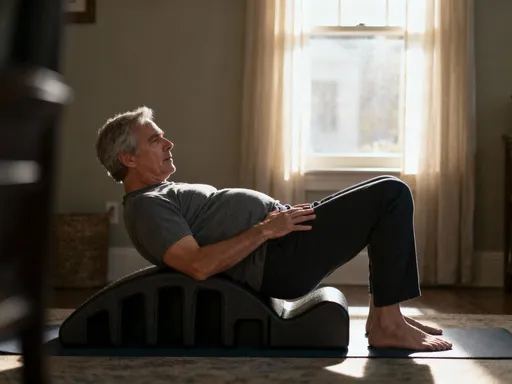
I also incorporated a simple morning stretch routine. Every day after breathing, I spend ten minutes on the floor, moving slowly through gentle stretches. I focus on areas where I hold tension — neck, shoulders, hips — using slow, deliberate motions. This isn’t about flexibility; it’s about reconnecting with my body and releasing stored stress. Studies show that regular stretching improves blood flow, reduces muscle stiffness, and enhances joint mobility, all of which support healthy aging. Plus, the mindfulness aspect — paying attention to how my body feels — helps ground me in the present moment.
The biggest shift was letting go of the idea that movement had to be hard to be valuable. Anti-aging isn’t about looking fit — it’s about feeling strong, balanced, and energized. Gentle motion supports this by promoting recovery rather than breakdown. You don’t need a gym membership or expensive gear. A walk around the block, a few minutes of stretching, or even swaying gently to music can make a difference. The goal is consistency, not intensity. Over time, these small movements build resilience, helping your body manage stress more effectively and age with greater vitality.
Sleep: The Ultimate Anti-Aging Reset
If there’s one habit that transformed my health, it’s prioritizing sleep. I used to see sleep as a luxury — something to fit in only after everything else was done. Now I see it as non-negotiable. During deep sleep, the body repairs damaged cells, balances hormones, and clears waste from the brain. This nightly reset is essential for slowing aging and maintaining energy. But stress and poor sleep create a vicious cycle: stress disrupts sleep, and lack of sleep increases stress, raising cortisol and weakening immunity.
To break this cycle, I created a wind-down routine. One hour before bed, I turn off screens — no phones, tablets, or TV. The blue light from devices suppresses melatonin, the hormone that regulates sleep. Instead, I brew a cup of caffeine-free herbal tea, like chamomile or passionflower. I also started journaling three things I’m grateful for each night. This simple practice shifts my mind from worry to appreciation, calming my nervous system. Sometimes I read a book or listen to soft music. The goal is to signal to my body that it’s safe to rest.
Consistency matters more than perfection. Going to bed and waking up at the same time every day — even on weekends — helps regulate the body’s internal clock. I don’t always fall asleep immediately, but creating a peaceful routine has improved my sleep quality significantly. I wake up more refreshed, with clearer thinking and better mood. Research shows that just one night of poor sleep increases inflammatory markers and impairs glucose metabolism, mimicking aspects of aging. Over time, chronic sleep deprivation accelerates cellular aging and increases the risk of age-related diseases.
The lesson I’ve learned is that sleep isn’t passive — it’s active repair. While you’re resting, your body is hard at work. Growth hormone is released, tissues are rebuilt, and memories are consolidated. Prioritizing sleep is one of the most effective anti-aging strategies available — and it’s free. You don’t need special tools or supplements. You need commitment to a routine that honors your body’s need for rest. Even small improvements — going to bed 20 minutes earlier, reducing screen time before bed — can have a meaningful impact over time.
Mindset Shifts That Make a Physical Difference
One of the most surprising discoveries on my journey was how much my thoughts affected my body. I had assumed that stress was something that happened to me — external pressures I couldn’t control. But I began to see that how I responded to those pressures mattered just as much. Reframing stress — seeing it not as a threat but as a challenge I could manage — reduced its physical impact. Instead of tensing up when overwhelmed, I’d remind myself: “This is temporary. I’ve handled hard things before.” That small shift in perspective helped lower my heart rate and ease muscle tension.
Self-compassion played a big role too. I used to criticize myself for feeling tired or not doing enough. But research shows that self-criticism increases cortisol, while self-kindness activates the brain’s care system, releasing oxytocin and reducing stress. Now, when I feel overwhelmed, I speak to myself as I would to a dear friend: “You’re doing your best. It’s okay to rest.” This simple practice changed my relationship with stress. I became less reactive, more resilient.
I also started practicing present-moment awareness. Instead of ruminating about the past or worrying about the future, I’d pause and notice my breath, my feet on the floor, or the sounds around me. These mini check-ins brought me back to the now, reducing anxiety and improving focus. I began scheduling downtime like any other appointment — 15 minutes in the afternoon to sit quietly, sip tea, or step outside. Saying “no” to extra commitments became easier when I remembered that rest is not laziness — it’s maintenance.
These mindset shifts didn’t happen overnight. They required practice and patience. But over time, I noticed changes not just in my mood, but in my body. My skin looked healthier, my energy was more stable, and I smiled more easily. The mind and body are deeply connected — peace in one reflects in the other. By cultivating calm thoughts, I supported physical well-being. This isn’t about positive thinking alone; it’s about creating a supportive inner environment where healing can occur.
Putting It All Together: A Realistic Beginner’s Routine
After experimenting with different practices, I built a simple daily routine that fits my life. It’s not rigid — some days I skip a step, and that’s okay. The goal is progress, not perfection. Each morning, I start with four rounds of 4-7-8 breathing while still in bed. Then I stretch for ten minutes on the floor, moving gently through my body. After that, I drink a glass of water and eat a balanced breakfast with protein, healthy fats, and fiber.
During the day, I aim for a 20- to 30-minute walk, usually after lunch. I take short breaks to stand, stretch, or breathe deeply, especially when I feel tension rising. I try to eat meals without distractions, chewing slowly and savoring my food. In the evening, I begin my wind-down routine an hour before bed: no screens, herbal tea, gratitude journaling, and soft lighting. I read or listen to calming music until I feel sleepy.
This routine isn’t about doing everything perfectly — it’s about creating structure that supports my body’s natural rhythms. I track subtle changes: how rested I feel, how my skin looks, how easily I handle stress. Over time, these small choices add up. I don’t look dramatically different, but I feel stronger, calmer, and more in control. The point of anti-aging isn’t to look 25 again — it’s to feel vibrant, resilient, and present at every stage of life.
Final Thoughts: Aging With Grace, Not Fear
Aging is a natural part of life, and no routine can stop it completely — nor should it. What we can do is influence how we age. Chronic stress doesn’t have to be an unavoidable part of midlife. By understanding its impact and making small, consistent changes, we can protect our health and vitality. Self-care isn’t indulgent; it’s essential. It’s not selfish to prioritize your well-being — it’s how you show up fully for your family, your work, and yourself.
The choices you make today — how you breathe, move, sleep, and think — shape your biological future. Each moment of calm, each walk, each night of rest contributes to a slower, healthier aging process. You don’t need extreme measures or expensive solutions. You need commitment to simple, science-backed habits that honor your body’s need for balance.
If you’re feeling the weight of stress and noticing its effects, know that change is possible. Start small. Try one breathing exercise. Take a short walk. Go to bed 15 minutes earlier. These steps may seem minor, but over time, they build resilience. And remember, always consult with a healthcare provider before making significant changes, especially if you have preexisting health conditions. Your journey to healthier aging begins not with a single act, but with a series of kind, consistent choices — each one a step toward feeling stronger, calmer, and more alive.