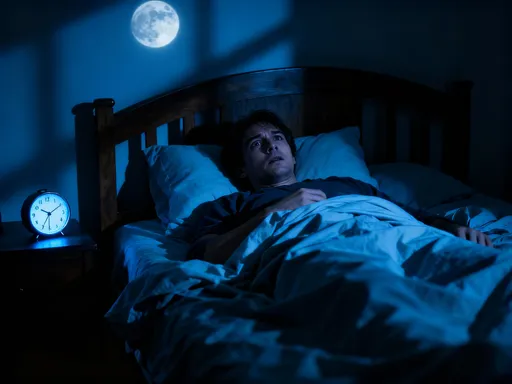
Why I Never Skip My Night Routine — Simple Habits That Actually Slow Aging
You’ve probably heard that aging is inevitable — and it’s true. But what if small, consistent choices could slow it down? I used to think anti-aging meant creams or treatments, until I realized the real power lies in routine regularity. Over time, I’ve tested simple nighttime habits backed by science — not hype — and seen real changes in my skin, energy, and overall well-being. This is what actually works. It’s not about perfection, but about showing up for yourself every night, in quiet, meaningful ways that add up across years. Aging gracefully isn’t magic — it’s consistency.
The Hidden Power of Routine in Slowing Aging
At first glance, a nightly routine might seem like just a series of small tasks — washing your face, turning off the lights, settling into bed. But beneath the surface, these acts influence far more than comfort. When performed consistently, they help regulate one of the most powerful biological systems in the body: the circadian rhythm. This internal clock governs everything from hormone release to cell regeneration, and its stability is directly linked to how slowly or quickly we age. Irregular sleep patterns, inconsistent meal times, and erratic wind-down routines send disruptive signals to this clock, leading to increased oxidative stress and inflammation — two key drivers of cellular aging.
Scientific studies have shown that people with stable daily routines tend to have longer telomeres — the protective caps at the ends of our chromosomes that shorten with age. Longer telomeres are associated with slower biological aging and reduced risk for age-related diseases. When your body knows what to expect — when to rest, when to repair, when to wake — it can allocate energy efficiently, prioritize healing, and maintain balance. In contrast, a chaotic schedule forces the body into a constant state of adaptation, which over time wears down its resilience. This is why consistency, not intensity, is the cornerstone of longevity.
The timing of your habits matters just as much as the habits themselves. Going to bed and waking up at roughly the same time each day — even on weekends — strengthens circadian alignment. This regularity supports the balanced release of cortisol and melatonin, hormones that manage stress and sleep. When these hormones are in sync, the body experiences fewer metabolic disruptions, improved insulin sensitivity, and better mood regulation. Over months and years, such balance translates into visible signs of slower aging: clearer skin, sharper focus, and sustained energy levels. Routine regularity, in essence, becomes a quiet but powerful form of self-care that shapes how we age from within.
Nighttime: Your Body’s Natural Repair Window
While you sleep, your body is far from idle. In fact, nighttime is when some of the most critical maintenance and repair processes occur. This is the body’s prime opportunity to restore damaged cells, clear metabolic waste, and rebuild tissues. One of the most vital functions during sleep is the glymphatic system’s activation — a recently discovered network in the brain that flushes out toxins, including beta-amyloid proteins linked to cognitive decline. This system works most efficiently during deep sleep, particularly in the first half of the night, making sleep quality essential for long-term brain health.
Skin, too, undergoes significant regeneration at night. Between the hours of 10 p.m. and 2 a.m., the body increases blood flow to the skin, boosting collagen production and accelerating cell turnover. This natural renewal process helps maintain skin elasticity and reduces the appearance of fine lines. However, if sleep is delayed or disrupted, this window of repair shrinks, and the skin is left vulnerable to environmental damage and premature aging. Consistently going to bed at a reasonable hour allows the body to fully engage in this nightly restoration, maximizing its anti-aging potential.
Hormonal balance also depends on this repair window. Growth hormone, which plays a role in tissue repair and muscle maintenance, is primarily released during deep sleep stages. Meanwhile, melatonin, often called the “youth hormone,” not only regulates sleep but also acts as a potent antioxidant, protecting cells from free radical damage. When sleep is inconsistent or insufficient, the production of these vital hormones is impaired, weakening the body’s ability to defend against aging. By honoring the body’s natural rhythm and creating a predictable wind-down routine, you signal to your system that it’s safe to enter repair mode — a nightly act of renewal that compounds over time.
My Night Routine: What I Actually Do, Every Single Night
My routine isn’t complicated, and it doesn’t require expensive products or hours of effort. It’s built on simplicity and repetition, designed to be sustainable for the long term. Every night, without exception, I begin by cleansing my face with a gentle, fragrance-free cleanser. This step removes pollutants, excess oil, and makeup that can clog pores and accelerate skin aging. I follow with a hydrating serum containing hyaluronic acid, which helps retain moisture and plump the skin. Then, I apply a nourishing night cream with ceramides to reinforce the skin’s natural barrier. These steps take less than ten minutes, but their cumulative effect over months is undeniable — my skin feels stronger, smoother, and more resilient.
After skincare, I make a conscious effort to disconnect from screens. I turn off the television, silence my phone, and place it in another room. This digital detox is one of the most impactful parts of my routine. Blue light from devices suppresses melatonin production, making it harder to fall asleep and reducing sleep quality. By removing this interference, I allow my body to transition naturally into rest. Instead of scrolling, I spend the last 20 minutes of my evening in low-light conditions, often reading a physical book or practicing mindful breathing. These quiet moments help calm my nervous system and prepare my mind for deep, restorative sleep.
I also pay attention to my environment. My bedroom is kept cool, dark, and quiet — conditions that support optimal sleep. I use blackout curtains and a white noise machine if needed. Before getting into bed, I do a short breathing exercise: four seconds inhaling through the nose, six seconds exhaling through the mouth. This simple practice activates the parasympathetic nervous system, slowing my heart rate and signaling safety to the body. It’s not a dramatic ritual, but it’s one I never skip. These small, consistent actions create a powerful chain reaction — better sleep, clearer skin, improved mood — proving that real anti-aging work happens in the quiet hours, not the spotlight.
Why Consistency Beats Intensity in Anti-Aging
Many people believe that extreme measures — like overnight fasting, intensive facials, or hour-long meditation sessions — yield the best anti-aging results. But research and real-life experience suggest otherwise. Intense but inconsistent efforts often lead to burnout, frustration, and short-lived outcomes. In contrast, mild but regular practices create lasting change by reinforcing healthy biological patterns. Think of it like exercise: one long, exhausting workout won’t transform your body, but a 20-minute walk every day will, over time. The same principle applies to aging. It’s not about doing more — it’s about doing something, consistently.
Skin health, for example, improves most with daily hydration and protection, not occasional treatments. A single night of skipping skincare might not show immediate effects, but repeated neglect leads to dryness, dullness, and increased sensitivity. On the other hand, using a simple moisturizer every night strengthens the skin barrier over weeks, making it more resistant to environmental stressors. Similarly, going to bed at the same time most nights — even if it’s not perfect — stabilizes circadian rhythms far more effectively than trying to “catch up” on sleep during weekends. The body thrives on predictability, not perfection.
Mental clarity and emotional resilience also benefit from routine. When your evenings follow a familiar pattern, your brain learns to relax more easily. There’s less decision fatigue, less anxiety about what’s next, and more space for rest. Over time, this consistency reduces chronic stress, which is a major contributor to accelerated aging. Cortisol, the stress hormone, breaks down collagen, impairs sleep, and disrupts digestion when chronically elevated. By establishing a calming, repeatable night routine, you lower your baseline stress levels — not through dramatic interventions, but through quiet, daily commitment. This is the true secret of graceful aging: not grand gestures, but small, repeated acts of care.
Common Pitfalls That Break Routine Regularity
Even with the best intentions, many people struggle to maintain a consistent night routine. Life happens — work deadlines, family responsibilities, unexpected events — and routines fall apart. One of the biggest obstacles is screen overload. Many of us unwind by watching shows or browsing social media, not realizing how much this disrupts our ability to fall asleep. The blue light emitted by phones and tablets interferes with melatonin, while the content itself — often stimulating or emotionally charged — keeps the mind active when it should be winding down. This creates a cycle of delayed sleep and poor-quality rest, undermining anti-aging efforts.
Stress is another major disruptor. When the day ends with unresolved tension, it’s harder to transition into relaxation. Worrying about tomorrow’s tasks or replaying past conversations keeps the nervous system in a state of alertness, making deep sleep difficult. Additionally, inconsistent schedules — staying up late on weekends, traveling across time zones, or rotating work shifts — throw off the circadian rhythm, weakening the body’s natural repair processes. These disruptions, even if occasional, accumulate over time and accelerate signs of aging.
To overcome these challenges, it helps to build resilience into your routine. One effective strategy is using “anchor habits” — non-negotiable actions that ground your evening, no matter what else happens. For me, that anchor is turning off my phone and washing my face. Even if I’m tired or running late, I do these two things. They signal the start of my wind-down process and make it easier to follow through with the rest. Another helpful approach is environment design: making your bedroom a sleep-friendly space by removing distractions, adjusting lighting, and keeping it cool. Flexibility is also key. A perfect routine isn’t sustainable; what matters is returning to it, even after a slip. Progress, not perfection, is the goal.
Building a Routine That Sticks: The Science of Habit Formation
Habits are formed through a simple neurological loop: cue, routine, reward. The cue triggers the behavior, the routine is the action itself, and the reward reinforces the behavior, making it more likely to repeat. For example, brushing your teeth at night is often cued by finishing dinner or entering the bathroom, followed by the routine of brushing, and rewarded by the fresh feeling in your mouth. Over time, this loop becomes automatic. The same principle can be applied to building an effective night routine. The key is to start small, attach new habits to existing ones, and ensure each step delivers a satisfying reward.
One effective method is habit stacking — linking a new behavior to an already established one. For instance, after you brush your teeth, you can immediately apply your night cream. Or after you turn off the lights, you can take three deep breaths. These small connections make the new habit easier to remember and perform. It’s better to start with just one or two actions and do them consistently than to attempt a full routine and abandon it within days. Success builds momentum. As each habit becomes automatic, you can gradually add another layer — perhaps a five-minute stretch, or a gratitude journal entry.
Tracking progress can also boost motivation. You don’t need complex apps or charts — a simple checkmark on a calendar can provide a sense of accomplishment. Over time, you’ll begin to notice subtle improvements: your skin feels more hydrated, you fall asleep faster, you wake up feeling refreshed. These are the rewards that reinforce the habit. Patience is essential. Research suggests it takes an average of 66 days for a new behavior to become automatic, though this varies by person and context. The important thing is to keep going, even when results aren’t immediate. Each night you follow your routine, you’re strengthening a neural pathway that supports long-term health and slower aging.
Beyond Skincare: How Routine Regularity Improves Overall Health
While glowing skin and better sleep are visible benefits, the impact of a consistent night routine extends far beyond appearance. A stable, predictable evening pattern supports digestion by allowing the body to wind down before bedtime, improving nutrient absorption and reducing nighttime acid reflux. It also strengthens the immune system. During sleep, the body produces cytokines — proteins that help fight infection and inflammation. Disrupted sleep weakens this response, making you more susceptible to illness. By prioritizing rest, you give your immune system the tools it needs to stay strong.
Mood and mental health also improve with routine regularity. People who follow consistent sleep schedules report lower levels of anxiety and depression. The predictability of a nightly ritual provides a sense of control and safety, which calms the nervous system over time. This emotional stability is just as important as physical health when it comes to aging well. Chronic stress and emotional turmoil accelerate biological aging, while peace and contentment support longevity. A simple, repeatable night routine becomes a form of daily emotional regulation — a quiet promise to yourself that you matter.
In the broader picture, routine regularity is not a restriction, but a form of self-respect. It’s a way of saying, “I value my health enough to show up for myself every night.” This mindset shift — from discipline to care — makes all the difference. When you view your routine not as a chore, but as an act of love, it becomes easier to sustain. Over years, these small choices accumulate into a life of greater vitality, clarity, and resilience. Aging cannot be stopped, but it can be honored — with consistency, compassion, and the quiet power of a nightly ritual.