How I Keep Anxiety in Check — Simple Moves That Actually Work
Anxiety doesn’t have to take over your life. For years, I struggled with constant worry, sleepless nights, and that heavy “tight-chest” feeling. It wasn’t until I started small, realistic changes that I noticed real shifts. This isn’t about quick fixes or magic cures—it’s about daily habits that help manage anxiety in a sustainable way. If you’re tired of feeling overwhelmed, these science-backed strategies might be the turning point you’ve been looking for.
The Reality of Living with Anxiety
Anxiety is one of the most common yet misunderstood emotional experiences, especially among women in their 30s to 50s who often carry the weight of family, work, and personal expectations. It goes beyond occasional stress or nervousness before a big event. Chronic anxiety is a persistent state of heightened alertness, where the mind constantly scans for danger—even when none is present. This internal alarm system, meant to protect us, can become overly sensitive, triggering physical symptoms like rapid heartbeat, shallow breathing, muscle tension, and digestive discomfort. These sensations are not imagined; they are the body’s real response to perceived threats, rooted in the autonomic nervous system.
Many women silently endure anxiety, mistaking it for personal failure or lack of strength. They may believe they should be able to “just relax” or “get over it.” But anxiety is not a character flaw—it is a biological and psychological pattern that develops over time, often shaped by life experiences, genetics, and environmental pressures. The emotional toll includes difficulty concentrating, irritability, and a sense of being emotionally drained. Relationships can suffer when anxiety leads to withdrawal, overthinking, or snapping at loved ones during moments of stress. Work performance may decline due to mental fatigue or avoidance of certain tasks.
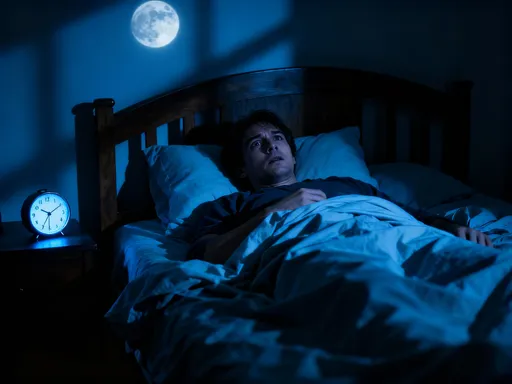
Left unaddressed, chronic anxiety can contribute to long-term health concerns, including elevated blood pressure, weakened immune function, and disrupted sleep cycles. Insomnia, in particular, creates a vicious cycle: lack of rest increases vulnerability to anxious thoughts, which in turn makes it harder to fall asleep. The good news is that anxiety is highly manageable. Recognizing it as a common, treatable condition—not a life sentence—is the first step toward reclaiming calm. Normalizing the experience helps reduce shame and opens the door to practical solutions.
Why Quick Relief Matters in Anxiety Management
When anxiety strikes, waiting for long-term solutions like therapy or medication adjustments isn’t always possible. In those moments—when your heart races during a phone call, or your chest tightens before a family gathering—immediate tools are essential. The body’s stress response, known as the fight-or-flight reaction, is designed to help us survive danger. But in modern life, this system often activates in response to non-life-threatening situations like traffic, deadlines, or difficult conversations. Once triggered, the cascade of stress hormones like cortisol and adrenaline can take 20 minutes or more to naturally subside. Without intervention, this state can escalate into a full-blown panic episode or lead to prolonged discomfort.
Fast-acting techniques are crucial because they interrupt this cycle before it intensifies. They serve as mental and physical reset buttons, signaling to the brain that there is no immediate threat. The goal is not to eliminate anxiety altogether but to regain a sense of control. These tools are most effective when they are simple, discreet, and require no special equipment. They should be easy to recall even when the mind feels foggy or overwhelmed. Accessibility is key—whether you’re at work, in a grocery store, or lying awake at night, you need strategies that can be applied in real time.
Moreover, using immediate relief methods consistently builds confidence. Each time you successfully calm yourself, you reinforce the belief that you are not powerless against anxiety. This shift in mindset is powerful. Over time, the fear of anxiety itself begins to lessen. You start to see it not as an enemy but as a signal—one that can be acknowledged, managed, and soothed. These quick interventions do not replace long-term strategies, but they create space for clearer thinking and more intentional responses.
The Power of Breath: A 90-Second Reset
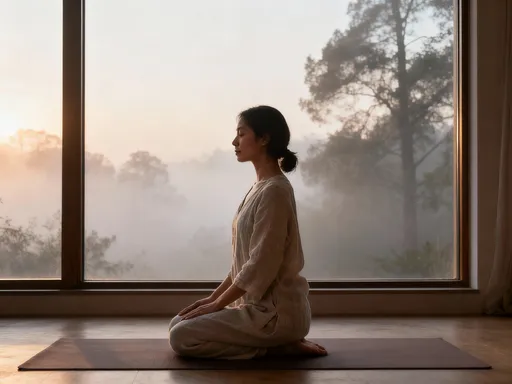
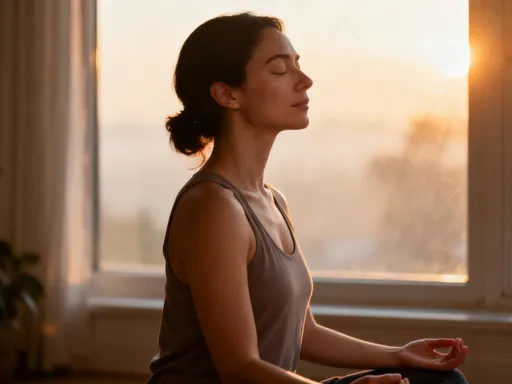
One of the most effective, science-backed ways to calm the nervous system is controlled breathing. Among various techniques, box breathing stands out for its simplicity and rapid results. This method involves inhaling for four seconds, holding the breath for four seconds, exhaling slowly for four seconds, and holding again for four seconds before repeating. The full cycle takes just 16 seconds, and doing it five to six times—about 90 seconds total—can significantly reduce feelings of panic and tension. What makes this so powerful is its direct impact on the vagus nerve, which helps regulate heart rate and activates the body’s relaxation response.
When we breathe slowly and evenly, especially with extended exhalations, the brain receives a signal that safety has returned. This lowers heart rate, reduces blood pressure, and decreases cortisol levels. Unlike medication or supplements, breathwork is always available and free. It can be done anywhere—while sitting in a car, waiting in line, or lying in bed. Many women find it especially helpful before bedtime, as it helps transition the body from a state of alertness to one of rest. Practicing it regularly, even when not anxious, strengthens the body’s ability to shift gears more easily when stress arises.
Real-life applications of box breathing are numerous. Imagine you’re stuck in traffic, already late for a school pickup, and your chest starts to tighten. Instead of spiraling into frustration, you close your eyes briefly and take six rounds of box breathing. The physical symptoms begin to ease. Or picture preparing for a difficult conversation with a family member—taking a moment to ground yourself with this technique can help you respond with clarity rather than react emotionally. Over time, breath becomes not just a tool but a companion in moments of tension.
Grounding Techniques: Reconnect with the Present
Anxiety often pulls attention into the future—worrying about what might go wrong, replaying past conversations, or imagining worst-case scenarios. This mental time travel disconnects us from the present moment, where we are actually safe. Grounding techniques work by bringing awareness back to the here and now through the five senses. One of the most effective methods is the 5-4-3-2-1 technique: naming five things you can see, four things you can touch, three things you can hear, two things you can smell, and one thing you can taste. This sensory checklist engages the rational part of the brain, disrupting the cycle of rumination and fear.
The science behind grounding lies in how the brain processes information. When anxiety takes over, the amygdala—the brain’s threat detector—becomes hyperactive, while the prefrontal cortex, responsible for logical thinking, becomes less engaged. By focusing on concrete, observable details in your environment, you shift neural activity back to the thinking brain. This doesn’t erase anxiety, but it creates mental space between you and the overwhelming thoughts. It’s like pressing pause on a spinning wheel, giving yourself time to breathe and choose your next move.
Grounding is especially useful in situations where anxiety feels overwhelming or dissociative—when you feel detached from your body or surroundings. For example, during a crowded family gathering, you might suddenly feel lightheaded or disconnected. Stepping into another room and quietly running through the 5-4-3-2-1 exercise can help reanchor you. Even at home, while folding laundry, you can practice by noticing the texture of the fabric, the sound of the dryer, the scent of detergent, and the sight of sunlight through the window. These small moments of presence build resilience over time.
Movement as Medicine: Small Shifts, Big Impact
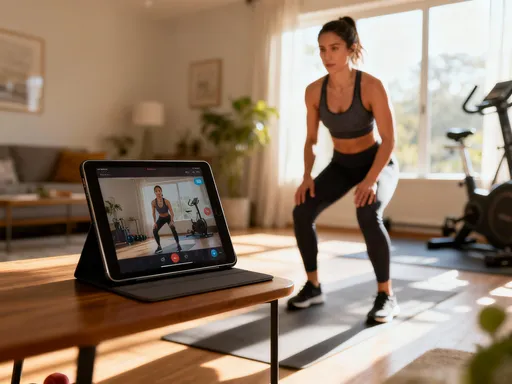
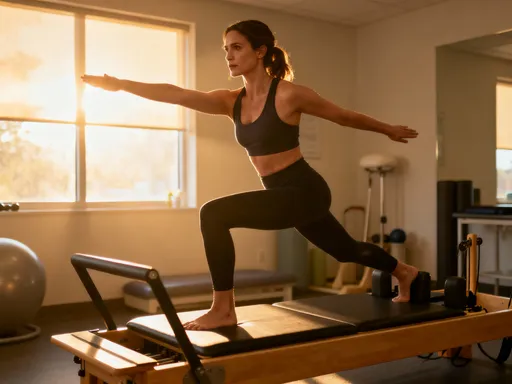
Physical activity is a natural and potent regulator of anxiety, yet many women underestimate its daily impact. Exercise doesn’t have to mean intense workouts or gym memberships. Even brief, gentle movement—like stretching for two minutes, walking around the block, or swaying to music in the kitchen—can shift brain chemistry in ways that reduce anxiety. When we move, our muscles contract and release, which helps discharge built-up stress energy that often gets trapped in the body. This physical release signals safety to the nervous system, much like how animals shake off tension after a scare.
Research shows that movement increases the production of endorphins and serotonin—neurochemicals linked to improved mood and emotional stability. It also reduces levels of stress hormones and improves sleep quality, both of which are critical for anxiety management. The key is consistency, not intensity. A five-minute walk after dinner, a few shoulder rolls while watching TV, or a short yoga sequence in the morning can all contribute to a calmer baseline. These small actions accumulate, creating a protective effect against daily stressors.
For women with busy schedules, integrating movement into existing routines is more sustainable than carving out extra time. Try standing up and stretching every hour if you work from home. Park farther away at the store to add extra steps. Dance with your children while making dinner. These moments of motion are not just physical—they are acts of self-care that reinforce the message that your well-being matters. Over time, movement becomes less of a chore and more of a natural response to tension.
The Role of Routine in Long-Term Management
While immediate tools provide relief in the moment, long-term anxiety management depends on consistency. A predictable daily routine reduces uncertainty—the very fuel that feeds anxiety. When the brain knows what to expect, it doesn’t have to work overtime scanning for surprises. Simple, repeated actions create a sense of safety and stability. This includes regular sleep and wake times, consistent meal schedules, and intentional boundaries around technology use. These habits support the body’s natural circadian rhythm, which plays a crucial role in emotional regulation.
Sleep hygiene, in particular, is foundational. Going to bed and waking up at roughly the same time—even on weekends—helps regulate mood and cognitive function. Avoiding screens an hour before bed, keeping the bedroom cool and dark, and establishing a calming pre-sleep ritual (like reading or light stretching) can significantly improve sleep quality. Similarly, eating balanced meals at regular intervals prevents blood sugar crashes, which can mimic or worsen anxiety symptoms. Skipping meals or relying on caffeine and sugar may provide short-term energy but often leads to jitteriness and fatigue later.
Digital boundaries are another essential part of routine. Constant notifications, social media scrolling, and late-night news consumption can overstimulate the nervous system. Setting specific times to check emails or messages—rather than reacting to every alert—creates mental space. Many women find relief in a “digital sunset,” turning off non-essential devices an hour before bed. These small, repeated choices build resilience over time. They don’t eliminate life’s challenges, but they strengthen the inner foundation needed to face them with greater calm.
When to Seek Professional Support
Self-help strategies are powerful, but they work best when combined with professional guidance. There is no shame in seeking help—just as you would see a doctor for a persistent physical symptom, it’s wise to consult a mental health professional when anxiety begins to interfere with daily life. Signs that professional support may be needed include difficulty completing routine tasks, avoiding social situations, experiencing frequent panic attacks, or feeling emotionally numb. If anxiety leads to changes in appetite, sleep, or energy levels that last more than a few weeks, it’s time to reach out.
Therapists can offer personalized tools, such as cognitive behavioral therapy (CBT), which helps identify and reframe unhelpful thought patterns. Some women benefit from medication, prescribed by a doctor, which can help regulate brain chemistry when anxiety is severe. The goal is not to “fix” you but to provide support tailored to your unique experience. Professional care complements the daily habits discussed here—it doesn’t replace them, but enhances their effectiveness.
Reaching out for help is an act of strength, not weakness. It reflects a commitment to your well-being and a recognition that you deserve support. Many women wait too long, believing they should be able to handle everything on their own. But just as you would teach your children to ask for help when they struggle, you, too, are worthy of that same compassion. With the right combination of self-care and professional guidance, anxiety can become manageable, even transformative.
Small Steps, Steady Progress
Managing anxiety is not about achieving a state of constant calm or never feeling worried again. It’s about building the skills to move through difficult moments with greater ease and confidence. Each of the strategies discussed—breathwork, grounding, movement, routine, and professional support—offers a way to reclaim a sense of control. What feels challenging at first becomes more natural with practice. Over time, these small actions form a toolkit that grows stronger with use.
The journey is not linear. There will be days when anxiety feels overwhelming, and that’s okay. Progress is measured not by perfection but by persistence. Each time you choose to breathe, to ground, to move, or to reach out, you are reinforcing a new relationship with yourself—one built on kindness, awareness, and resilience. Peace is not a destination but a practice. And with consistent, compassionate effort, it becomes less of a fleeting break and more of a steady presence in your daily life.