How Yoga, TCM, and What I Eat Changed My Energy for Good
For years, I felt constantly drained—no matter how much I slept. Then I combined yoga, meditation, and traditional Chinese dietary wisdom. Within weeks, my energy shifted in ways I never expected. This isn’t about quick fixes, but real, lasting balance. If you’re tired of feeling tired, what I learned might be exactly what your body’s been asking for. It wasn’t one dramatic change, but a series of small, intentional choices that added up. I stopped chasing energy and started cultivating it—through movement, breath, and food that truly nourished me. What began as a personal experiment became a new way of living, grounded in ancient wisdom and supported by modern understanding of how the body thrives.
The Burnout That Changed Everything
There was a time when simply getting through the day felt like a victory. Mornings began with a deep sense of heaviness, as though my body resisted the act of waking. Even after eight hours of sleep, I would rise unrefreshed, relying on coffee to push through the fog. By mid-afternoon, my focus would fade, my mood would dip, and the thought of preparing dinner or helping with homework felt overwhelming. This wasn’t occasional fatigue—it was a constant state of depletion, affecting not only my physical energy but also my emotional well-being. I was irritable, anxious, and disconnected from the joy I once found in everyday moments.
The pace of modern life had taken its toll. Between managing a household, keeping up with work responsibilities, and trying to maintain relationships, I had fallen into a cycle of perpetual doing. Rest was treated as a luxury, not a necessity. Meals were rushed, often eaten in front of a screen, and exercise was either skipped or approached with guilt-driven intensity. My body was sending signals—fatigue, bloating, poor sleep, frequent colds—but I kept silencing them with caffeine, sugar, and sheer willpower. It wasn’t until a routine check-up revealed no clear medical cause for my exhaustion that I realized the problem wasn’t a single illness, but a pattern of imbalance.
That moment became a turning point. If conventional medicine couldn’t explain my fatigue, perhaps a different approach could. I began researching holistic wellness traditions and came across the integration of yoga, meditation, and Traditional Chinese Medicine (TCM). While initially skeptical—after all, these weren’t quick pharmaceutical solutions—I was drawn to their focus on root causes rather than symptoms. These systems didn’t promise instant energy, but rather long-term harmony. I decided to give them a try, not as a replacement for medical care, but as a complement. My goal wasn’t perfection, but presence—showing up for myself with more awareness and kindness.
Yoga & Meditation: More Than Just Stretching
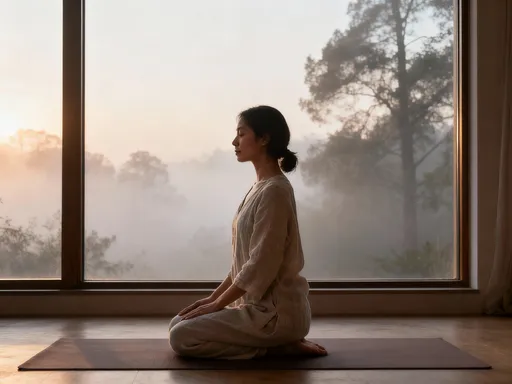
At first, the idea of yoga felt intimidating. I imagined advanced poses, flexible bodies, and silent retreats—things that seemed far removed from my reality. But I soon learned that yoga is not about how far you can stretch, but how deeply you can listen to your body. I started with just ten minutes a day, focusing on simple postures like Child’s Pose, Cat-Cow, and Seated Forward Bend. These gentle movements weren’t designed to burn calories, but to release tension and restore connection between mind and body. Over time, I noticed that my shoulders dropped, my breathing deepened, and my mind grew quieter.
What surprised me most was how quickly these practices began to affect my nervous system. Modern science explains this through the autonomic nervous system, which regulates stress and relaxation. Chronic stress keeps the body in “fight-or-flight” mode, elevating cortisol and adrenaline. Yoga, especially when combined with mindful breathing, activates the parasympathetic nervous system—the “rest-and-digest” state. This shift reduces stress hormones, lowers heart rate, and improves sleep quality. I didn’t need a lab test to see the results; I could feel them in the way I responded to challenges with more calm and clarity.
Meditation became an equally important part of my routine. I started with guided sessions, focusing on breath awareness and body scans. At first, my mind raced with to-do lists and worries, but I learned to observe thoughts without judgment. This practice of non-reactivity slowly built emotional resilience. Instead of reacting to frustration with anger or fatigue with despair, I began to pause and choose a different response. Over weeks, I noticed fewer mood swings and a greater sense of inner stability. The combination of movement and stillness created a foundation for sustained energy, not dependent on external stimulation.
My daily routine evolved into a rhythm: a grounding yoga sequence in the morning—gentle twists, forward folds, and deep breathing—to center myself before the day began. In the evening, I practiced a wind-down flow, emphasizing restorative poses and slow transitions. This wasn’t vigorous exercise, but a form of self-care that honored my body’s need for balance. The consistency mattered more than the duration. Even on busy days, five minutes of intentional movement made a difference. Over time, these practices became less of a task and more of a ritual—a daily act of returning to myself.
TCM Wisdom: Seeing Food as Energy
While yoga and meditation addressed my mental and emotional state, I realized that my diet was still out of alignment. I had spent years focusing on calories, macros, and food trends, but none of it resolved my fatigue. It wasn’t until I encountered the principles of Traditional Chinese Medicine (TCM) that I began to see food in a new light. In TCM, food is not just fuel—it is energy, or Qi (pronounced “chee”), that either supports or disrupts the body’s natural balance. Health is viewed as a state of harmony between Yin and Yang, and between the internal organs that govern different functions.
One of the most transformative concepts I learned was the role of the Spleen and Stomach in digestion. In TCM, the Spleen is responsible for transforming food into usable Qi and distributing it throughout the body. When the Spleen is weak—often due to poor eating habits, cold foods, or emotional stress—digestion suffers, leading to fatigue, bloating, and brain fog. This explained why I could eat a large meal and still feel undernourished. My body wasn’t absorbing the energy it needed. The solution wasn’t to eat more, but to eat in a way that supported my digestive fire, known as Spleen Qi.
I began to shift my perspective from counting calories to cultivating warmth. TCM emphasizes the importance of cooked, warm, and easily digestible foods—especially for those with low energy. Raw salads, cold smoothies, and icy drinks, while often seen as healthy, are considered taxing on the digestive system because they require the body to “warm up” the food before processing it. Instead, I started favoring soups, stews, congee (a rice porridge), and steamed vegetables. These foods were not only gentler on my stomach but also left me feeling more satisfied and energized.
The idea of food as medicine became real when I noticed how certain ingredients made me feel. Ginger, for example, is prized in TCM for its warming properties and ability to support digestion. Adding a slice to my morning tea helped wake up my system naturally. Fermented foods like miso and sauerkraut supported gut health, which in turn improved my energy and mood. I wasn’t following a strict diet, but learning to eat in a way that respected my body’s rhythms and needs. This wasn’t about restriction, but about nourishment—choosing foods that built me up, rather than wore me down.
My Daily Eating Rhythm, TCM-Style
One of the most practical changes I made was aligning my meals with the body’s natural energy cycles. In TCM, each organ system has a two-hour window during the day when it is most active. The Stomach is strongest between 7 a.m. and 9 a.m., making breakfast the most important meal for building Qi. The Spleen functions best from 9 a.m. to 11 a.m., so eating a substantial breakfast supports digestion and energy production for the entire day. I used to skip breakfast or grab a granola bar, but now I prioritize a warm, nourishing meal—such as congee with vegetables, a poached egg, and a sprinkle of ginger.
Lunch, eaten between 11 a.m. and 1 p.m., became my largest meal. This is when the body’s digestive fire is at its peak, making it the ideal time to consume proteins, whole grains, and cooked vegetables. I prepare balanced plates with a variety of colors and textures, ensuring I get a mix of nutrients without overloading my system. Eating mindfully—sitting down, chewing slowly, and avoiding distractions—has made a noticeable difference in how I feel afterward. I no longer experience the post-lunch slump that once made afternoon meetings a struggle.
Dinner, in contrast, is light and eaten earlier—ideally before 7 p.m. According to TCM, the body’s energy begins to turn inward in the evening, preparing for rest. A heavy or late meal forces the digestive system to work when it should be slowing down, which can disrupt sleep and lead to the accumulation of dampness—a TCM term for sluggish metabolism and fluid retention. Now, I opt for simple meals like steamed fish with bok choy, a small bowl of soup, or a warm grain bowl. This shift not only improved my digestion but also deepened my sleep. I wake up feeling more refreshed, as though my body had a chance to truly rest.
Temperature also plays a key role. I’ve largely eliminated cold drinks, especially with meals, as they are believed to weaken digestive function. Instead, I drink warm water, herbal teas, or room-temperature beverages. Even in summer, I find that warm drinks help me feel more balanced. This doesn’t mean I never enjoy a cold drink, but I’m more intentional about when and how I consume them. These changes didn’t happen overnight, but by making one adjustment at a time, they became sustainable habits that supported my overall well-being.
Combining Movement and Meals: The Synergy Effect
As I deepened my understanding of both yoga and TCM, I began to see how these practices could work together. One of the most powerful discoveries was the connection between movement and digestion. In TCM, gentle physical activity after meals helps strengthen Spleen Qi and promotes the smooth flow of Qi and blood. I started taking a short walk after dinner—just ten to fifteen minutes around the block. This simple habit made a remarkable difference in how I felt. Bloating decreased, sleep improved, and I no longer felt sluggish after eating.
I also began incorporating mindful breathing before meals. Taking three slow, deep breaths while sitting at the table helped shift my nervous system from stress to calm, signaling to my body that it was safe to digest. This small ritual became a way of honoring the act of eating, turning it from a rushed necessity into a moment of presence. I noticed that when I ate in a relaxed state, I digested food more efficiently and felt more satisfied with smaller portions. This supported the TCM principle that digestion begins in the mind—when we are stressed, our body cannot properly break down food, no matter how healthy it is.
Yoga also played a role in supporting digestive health. Certain poses, such as Seated Forward Bend and Supine Twist, gently massage the abdominal organs and encourage the movement of Qi. I began adding these to my evening routine, especially if I had eaten a heavier meal. The physical sensation was comforting, like giving my internal organs a gentle hug. Over time, I observed fewer digestive complaints and a greater sense of lightness after meals. This synergy between movement, breath, and eating created a positive feedback loop—each practice enhanced the benefits of the others.
What I learned is that wellness isn’t about isolated habits, but about how they interact. Eating well supports energy for movement. Movement improves digestion, which enhances nutrient absorption. Better digestion leads to clearer thinking and more stable moods, which makes it easier to practice mindfulness. It’s a cycle of support, not a checklist of tasks. By aligning my habits with my body’s natural rhythms, I stopped fighting against myself and started working with my physiology in a way that felt sustainable and nourishing.
What Science Says About This Blend
While TCM and yoga have roots in ancient traditions, modern science increasingly supports many of their core principles. Research shows that mindfulness meditation can significantly reduce cortisol levels, the hormone associated with stress. A meta-analysis published in JAMA Internal Medicine found that mindfulness programs led to moderate improvements in anxiety, depression, and pain—conditions often linked to chronic fatigue. These findings validate what I experienced: a calmer mind leads to a more resilient body.
Yoga’s benefits are also well-documented. Studies have shown that regular yoga practice improves vagal tone, a measure of the vagus nerve’s activity, which plays a key role in regulating the parasympathetic nervous system. Higher vagal tone is associated with better emotional regulation, reduced inflammation, and improved heart health. Additionally, yoga has been linked to better sleep quality, increased flexibility, and enhanced mood—factors that directly contribute to sustained energy levels.
When it comes to eating patterns, science aligns with TCM’s emphasis on meal timing and rhythm. Research on circadian biology shows that our metabolism follows a daily cycle, with insulin sensitivity and digestive enzyme production peaking during the day and declining at night. Eating the largest meal earlier in the day and avoiding late-night eating supports metabolic health and may reduce the risk of weight gain and insulin resistance. This mirrors the TCM recommendation to eat a hearty breakfast and a light dinner.
Gut health research further supports the TCM focus on digestion as the foundation of vitality. The gut microbiome plays a crucial role in nutrient absorption, immune function, and even mood regulation through the gut-brain axis. Fermented foods, fiber-rich vegetables, and warm, cooked meals—all staples of a TCM-inspired diet—promote a healthy gut environment. While TCM doesn’t use the term “microbiome,” its understanding of digestive harmony aligns closely with current scientific insights. This convergence of ancient wisdom and modern research gives me confidence that these practices are not just anecdotal, but grounded in real physiological benefits.
Simple Steps to Start—No Overhaul Needed
If you’re feeling overwhelmed by the idea of changing your entire lifestyle, I want to reassure you: transformation doesn’t require perfection. It begins with small, consistent actions. When I started, I didn’t revamp my diet or commit to an hour of yoga every day. I began with one simple pose—Child’s Pose—each morning. I added a slice of ginger to my tea. I moved dinner thirty minutes earlier. These tiny shifts felt manageable, and over time, they built momentum.
Here are a few low-barrier steps to help you begin: Start with one yoga pose a day, such as Cat-Cow or Legs-Up-the-Wall, to reconnect with your body. Practice chewing your food slowly—aim for twenty chews per bite—to support digestion and increase satisfaction. Eat dinner at least two to three hours before bedtime to give your body time to digest. Add warming spices like ginger, cinnamon, or turmeric to your meals to support circulation and digestion. Drink warm water throughout the day, especially in the morning, to gently awaken your system.
The key is consistency, not intensity. You don’t need to meditate for thirty minutes to benefit from mindfulness. Even one minute of focused breathing can shift your state. Pay attention to how you feel—not just physically, but emotionally and mentally. Notice small improvements: a deeper breath, a quieter mind, a more restful night. These are signs that your body is responding. And remember, if you have underlying health concerns, it’s important to consult with a healthcare provider. These practices are meant to complement, not replace, professional medical advice.
Progress is not linear. There will be days when old habits return, and that’s okay. What matters is returning to your intention with kindness. Wellness is not a destination, but a daily practice of listening, adjusting, and caring for yourself. Over time, these small choices add up to a life of greater energy, clarity, and presence.
Conclusion
True wellness isn’t found in extreme diets or intense regimens—it’s in daily choices that honor your body’s natural rhythm. Blending yoga, meditation, and TCM-inspired eating didn’t just boost my energy; it gave me a deeper connection to myself. This path isn’t about perfection, but presence. It’s about waking up to the way food, movement, and breath can work together to create balance. It’s about learning to listen to your body, not override it. And if you’re ready to feel more alive, it might just work for you too. The journey begins not with a grand gesture, but with a single breath, a warm meal, or a moment of stillness. That’s where real change starts.